
₨1,595.00

₨1,495.00
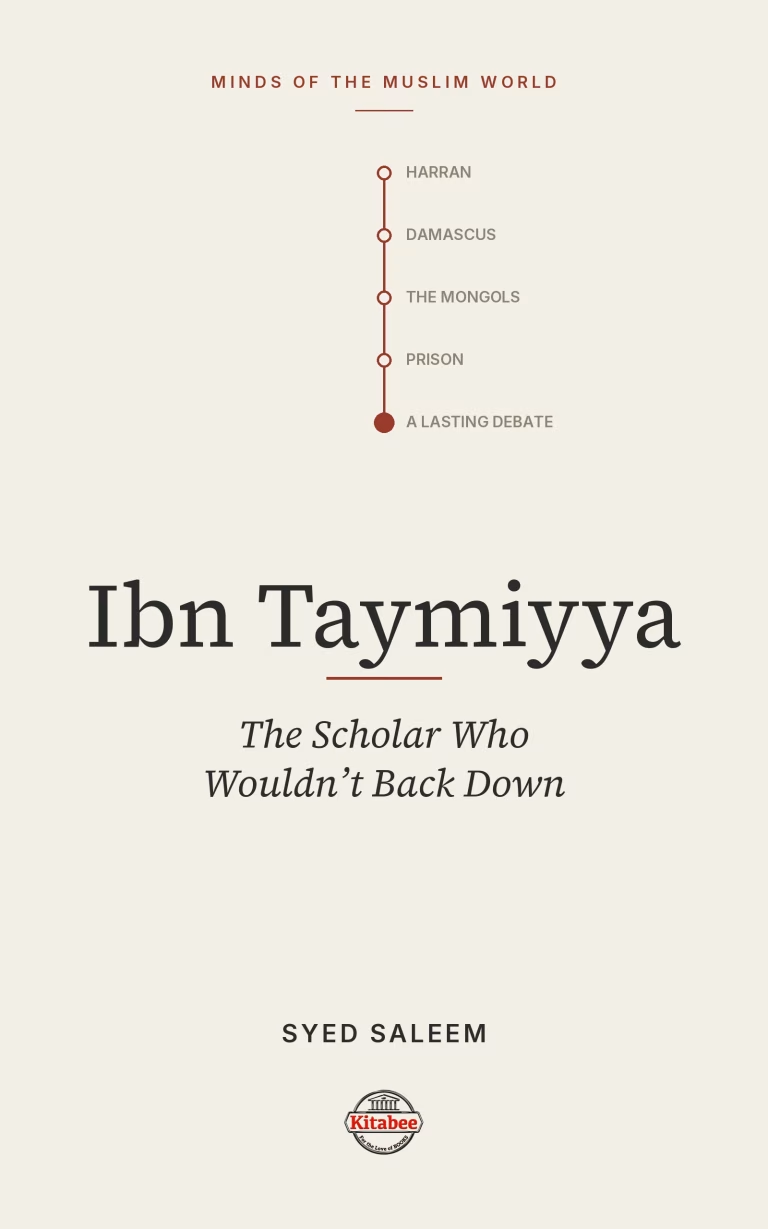
Ibn Taymiyya (Minds of the Muslim World)
ISBN
Publisher
Imprint
Year Published
Print Length
Format
SKU
₨1,495.00
Description
Ibn Taymiyya (1263–1328) was a prominent Islamic theologian, jurist, and reformer whose writings profoundly influenced the development of Muslim religious thought. Born in Harran and raised in Damascus after his family fled the Mongol invasions, he lived during one of the most turbulent periods in Islamic history. A scholar of the Qur’an, Hadith, and Islamic jurisprudence, he advocated a return to what he understood as the teachings of the Prophet Muhammad and the earliest Muslim generations. His intellectual independence, forceful arguments, and uncompromising approach to religious questions established him as a major yet controversial figure in the medieval Muslim world.
This volume examines Ibn Taymiyya’s theological positions, legal scholarship, and responses to the political and intellectual challenges of his age. He criticized certain philosophical and theological traditions, challenged religious practices he regarded as innovations, and argued that Islamic belief and law should remain firmly grounded in revelation. His views on divine attributes, religious authority, Sufism, and the relationship between rulers and their subjects generated intense debate among contemporary scholars. His opposition to Mongol rule, despite the Mongols’ professed conversion to Islam, also reflected his concern with the relationship between religious commitment and political conduct. His controversial positions repeatedly brought him into conflict with religious and political authorities.
Part of the Minds of the Muslim World series, this book explores Ibn Taymiyya’s enduring intellectual legacy and the diverse interpretations of his teachings. His writings influenced later reformers and continue to feature prominently in contemporary discussions of Islamic theology, jurisprudence, and religious authority. Understanding his life offers valuable insight into the continuing evolution of Islamic thought across the centuries.
Praise and Reviews
About the Author
Ibn Taymiyya (Minds of the Muslim World)
Description
Ibn Taymiyya (1263–1328) was a prominent Islamic theologian, jurist, and reformer whose writings profoundly influenced the development of Muslim religious thought. Born in Harran and raised in Damascus after his family fled the Mongol invasions, he lived during one of the most turbulent periods in Islamic history. A scholar of the Qur’an, Hadith, and Islamic jurisprudence, he advocated a return to what he understood as the teachings of the Prophet Muhammad and the earliest Muslim generations. His intellectual independence, forceful arguments, and uncompromising approach to religious questions established him as a major yet controversial figure in the medieval Muslim world.
This volume examines Ibn Taymiyya’s theological positions, legal scholarship, and responses to the political and intellectual challenges of his age. He criticized certain philosophical and theological traditions, challenged religious practices he regarded as innovations, and argued that Islamic belief and law should remain firmly grounded in revelation. His views on divine attributes, religious authority, Sufism, and the relationship between rulers and their subjects generated intense debate among contemporary scholars. His opposition to Mongol rule, despite the Mongols’ professed conversion to Islam, also reflected his concern with the relationship between religious commitment and political conduct. His controversial positions repeatedly brought him into conflict with religious and political authorities.
Part of the Minds of the Muslim World series, this book explores Ibn Taymiyya’s enduring intellectual legacy and the diverse interpretations of his teachings. His writings influenced later reformers and continue to feature prominently in contemporary discussions of Islamic theology, jurisprudence, and religious authority. Understanding his life offers valuable insight into the continuing evolution of Islamic thought across the centuries.