
₨1,650.00


₨1,895.00
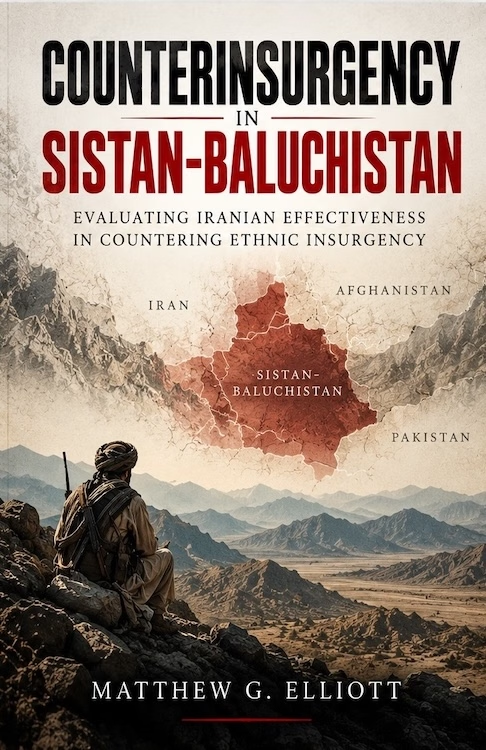
Counterinsurgency in Sistan-Baluchistan: Evaluating Iranian Effectiveness in Countering Ethnic Insurgency
ISBN
Publisher
Imprint
Year Published
Print Length
Format
SKU
₨1,995.00
Description
This thesis examines Iran’s counterinsurgency (COIN) strategy in Sistan-Baluchistan from 2003 to 2020 and evaluates the extent to which it has been successful in countering ethnic insurgency. Drawing on Iran’s broader experience with insurgency and counterinsurgency, the study analyzes how Tehran has sought to manage persistent unrest in its southeastern province, where Baluch insurgent groups such as Jundallah have waged a prolonged campaign.
Initially, Iran’s COIN efforts in the region were largely ineffective. However, over time, Tehran revised its approach, tailoring its strategy to local conditions and achieving improved results. The thesis identifies two key factors behind this shift: the fragmentation of the insurgency following Jundallah’s demise and the increasingly active and authoritative role of the Islamic Revolutionary Guard Corps (IRGC) in directing the campaign.
Through a detailed analysis of strategy, tactics, and regional dynamics, the study sheds light on Iran’s evolving approach to countering ethnic insurgency in one of its most volatile borderlands.
Praise and Reviews
About the Author
Counterinsurgency in Sistan-Baluchistan: Evaluating Iranian Effectiveness in Countering Ethnic Insurgency
Description
This thesis examines Iran’s counterinsurgency (COIN) strategy in Sistan-Baluchistan from 2003 to 2020 and evaluates the extent to which it has been successful in countering ethnic insurgency. Drawing on Iran’s broader experience with insurgency and counterinsurgency, the study analyzes how Tehran has sought to manage persistent unrest in its southeastern province, where Baluch insurgent groups such as Jundallah have waged a prolonged campaign.
Initially, Iran’s COIN efforts in the region were largely ineffective. However, over time, Tehran revised its approach, tailoring its strategy to local conditions and achieving improved results. The thesis identifies two key factors behind this shift: the fragmentation of the insurgency following Jundallah’s demise and the increasingly active and authoritative role of the Islamic Revolutionary Guard Corps (IRGC) in directing the campaign.
Through a detailed analysis of strategy, tactics, and regional dynamics, the study sheds light on Iran’s evolving approach to countering ethnic insurgency in one of its most volatile borderlands.

