₨1,895.00


₨1,495.00
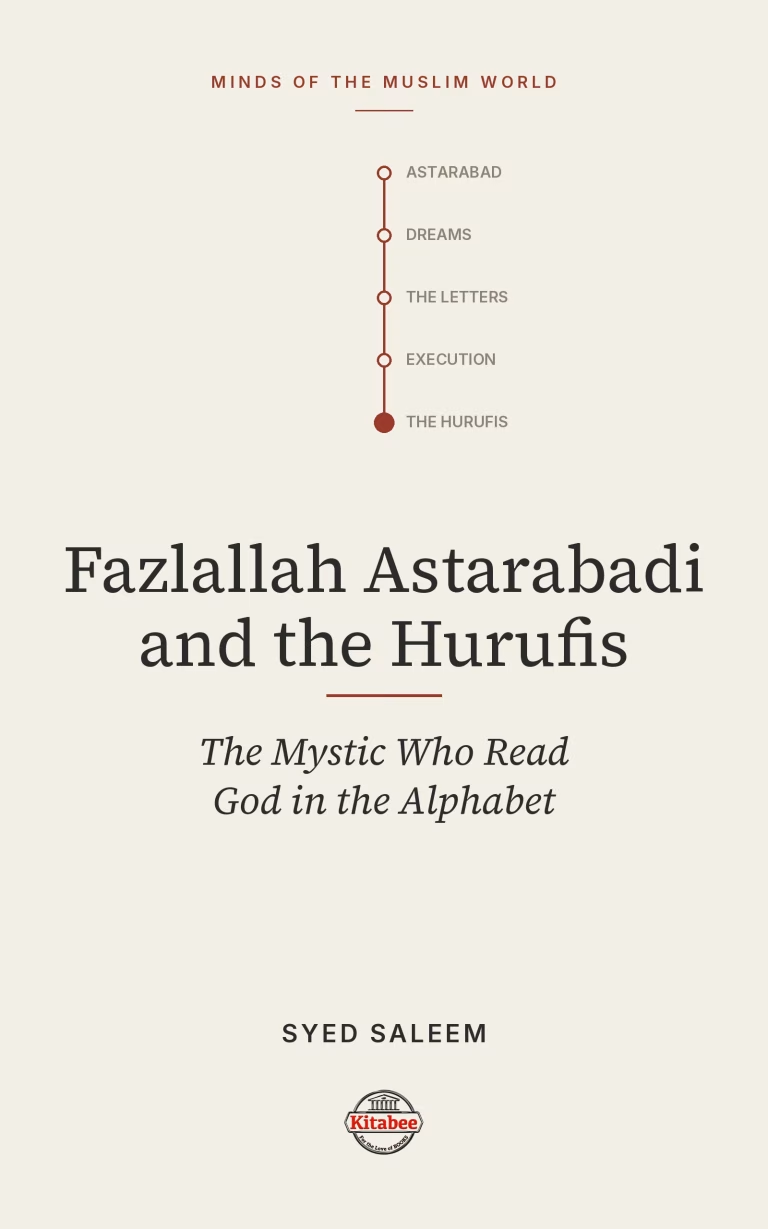
Fazlallah Astarabadi and the Hurufis (Makers of the Muslim World)
ISBN
Publisher
Imprint
Year Published
Print Length
Format
SKU
₨1,495.00
Description
Fazlallah Astarabadi (1340–1394) was a Persian mystic and religious visionary whose teachings gave rise to the Hurufi movement, one of the most intriguing spiritual currents in the medieval Islamic world. Living during a period of political upheaval and religious ferment, he developed an elaborate system of mystical interpretation centred on the spiritual significance of letters, numbers, and language. For Fazlallah, the Arabic and Persian alphabets were more than instruments of communication: they held hidden meanings that could reveal the relationship between divine revelation, the human form, and the structure of the universe. His teachings attracted devoted followers and established a distinctive tradition that challenged conventional religious interpretations.
This volume explores the origins, beliefs, and historical development of Hurufism, examining Fazlallah’s claim to spiritual authority and his understanding of sacred language. The movement drew upon Islamic mystical traditions while developing its own distinctive interpretations of the Qur’an, prophecy, and human existence. Its doctrines provoked fierce opposition from religious and political authorities, ultimately leading to Fazlallah’s execution in 1394. Yet his death did not extinguish the movement. His followers continued to spread Hurufi teachings across Persia, Anatolia, and beyond, influencing literary and mystical traditions, including aspects of Ottoman intellectual culture.
Part of the Makers of the Muslim World series, this book introduces readers to a fascinating episode in Islamic intellectual history. Through the story of Fazlallah and his followers, it examines the boundaries between orthodoxy and dissent, the power of symbolic interpretation, and the enduring human search for hidden meanings within sacred texts and the universe.
Praise and Reviews
About the Author
Fazlallah Astarabadi and the Hurufis (Makers of the Muslim World)
Description
Fazlallah Astarabadi (1340–1394) was a Persian mystic and religious visionary whose teachings gave rise to the Hurufi movement, one of the most intriguing spiritual currents in the medieval Islamic world. Living during a period of political upheaval and religious ferment, he developed an elaborate system of mystical interpretation centred on the spiritual significance of letters, numbers, and language. For Fazlallah, the Arabic and Persian alphabets were more than instruments of communication: they held hidden meanings that could reveal the relationship between divine revelation, the human form, and the structure of the universe. His teachings attracted devoted followers and established a distinctive tradition that challenged conventional religious interpretations.
This volume explores the origins, beliefs, and historical development of Hurufism, examining Fazlallah’s claim to spiritual authority and his understanding of sacred language. The movement drew upon Islamic mystical traditions while developing its own distinctive interpretations of the Qur’an, prophecy, and human existence. Its doctrines provoked fierce opposition from religious and political authorities, ultimately leading to Fazlallah’s execution in 1394. Yet his death did not extinguish the movement. His followers continued to spread Hurufi teachings across Persia, Anatolia, and beyond, influencing literary and mystical traditions, including aspects of Ottoman intellectual culture.
Part of the Makers of the Muslim World series, this book introduces readers to a fascinating episode in Islamic intellectual history. Through the story of Fazlallah and his followers, it examines the boundaries between orthodoxy and dissent, the power of symbolic interpretation, and the enduring human search for hidden meanings within sacred texts and the universe.