₨1,495.00


₨4,750.00 Original price was: ₨4,750.00.₨1,095.00Current price is: ₨1,095.00.
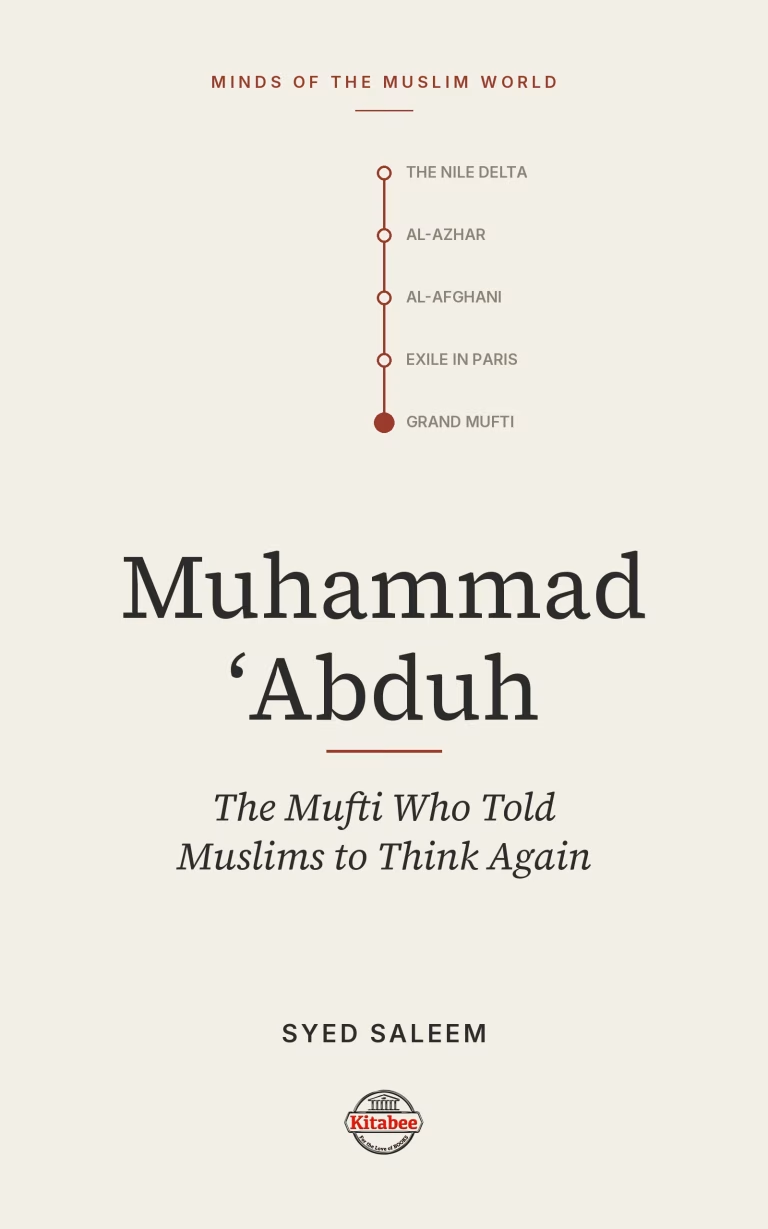
Muhammad Abduh (Minds of the Muslim World)
ISBN
Publisher
Imprint
Year Published
Print Length
Format
SKU
₨1,495.00
Description
Muhammad Abduh (1849–1905) was an Egyptian Islamic scholar, religious reformer, and public intellectual whose ideas helped shape the development of modern Islamic thought. Born in the Nile Delta during a period of growing European influence and political change, he became a leading advocate of educational renewal, intellectual independence, and the reinterpretation of Islamic teachings in response to modern challenges. Influenced by the reformist thinker Jamal al-Din al-Afghani, Abduh sought to overcome intellectual stagnation and demonstrate that Islam could coexist with reason, scientific inquiry, and social progress. His career brought him into the heart of Egypt’s religious and political debates during the late nineteenth century.
This volume explores Abduh’s efforts to reform Islamic education, renew religious scholarship, and reconsider the relationship between revelation and reason. As Grand Mufti of Egypt, he worked to make Islamic legal interpretation responsive to changing social conditions while remaining grounded in religious principles. He advocated improvements in education, challenged rigid approaches to religious authority, and argued that Muslims should engage critically with their intellectual heritage. His Qur’anic commentary, Tafsir al-Manar, developed from his lectures and was continued by his student and collaborator Rashid Rida, becoming an influential work of modern Islamic reformist thought.
Part of the Minds of the Muslim World series, this book examines Abduh’s intellectual journey, reformist ambitions, and enduring influence. His legacy remains central to debates about Islam and modernity, educational reform, religious interpretation, and the possibilities of intellectual renewal within Muslim societies.
Praise and Reviews
About the Author
Muhammad Abduh (Minds of the Muslim World)
Description
Muhammad Abduh (1849–1905) was an Egyptian Islamic scholar, religious reformer, and public intellectual whose ideas helped shape the development of modern Islamic thought. Born in the Nile Delta during a period of growing European influence and political change, he became a leading advocate of educational renewal, intellectual independence, and the reinterpretation of Islamic teachings in response to modern challenges. Influenced by the reformist thinker Jamal al-Din al-Afghani, Abduh sought to overcome intellectual stagnation and demonstrate that Islam could coexist with reason, scientific inquiry, and social progress. His career brought him into the heart of Egypt’s religious and political debates during the late nineteenth century.
This volume explores Abduh’s efforts to reform Islamic education, renew religious scholarship, and reconsider the relationship between revelation and reason. As Grand Mufti of Egypt, he worked to make Islamic legal interpretation responsive to changing social conditions while remaining grounded in religious principles. He advocated improvements in education, challenged rigid approaches to religious authority, and argued that Muslims should engage critically with their intellectual heritage. His Qur’anic commentary, Tafsir al-Manar, developed from his lectures and was continued by his student and collaborator Rashid Rida, becoming an influential work of modern Islamic reformist thought.
Part of the Minds of the Muslim World series, this book examines Abduh’s intellectual journey, reformist ambitions, and enduring influence. His legacy remains central to debates about Islam and modernity, educational reform, religious interpretation, and the possibilities of intellectual renewal within Muslim societies.